Reliable Leak Detection: Safeguard Your Home Against Hidden Water Damage
Effective leak detection plays an essential role in maintaining a home's integrity. Undetected water damage often causes substantial financial burdens and potential health concerns. Homeowners often overlook early signs, such as unexplained stains or musty odors. Through recognizing these warning signs and utilizing modern detection techniques, homeowners can safeguard their homes. However, many remain unaware of the most effective tools and strategies available. What steps can be taken to guarantee a home stays safe from these silent threats?
Why Leak Detection Should Be Your Top Priority
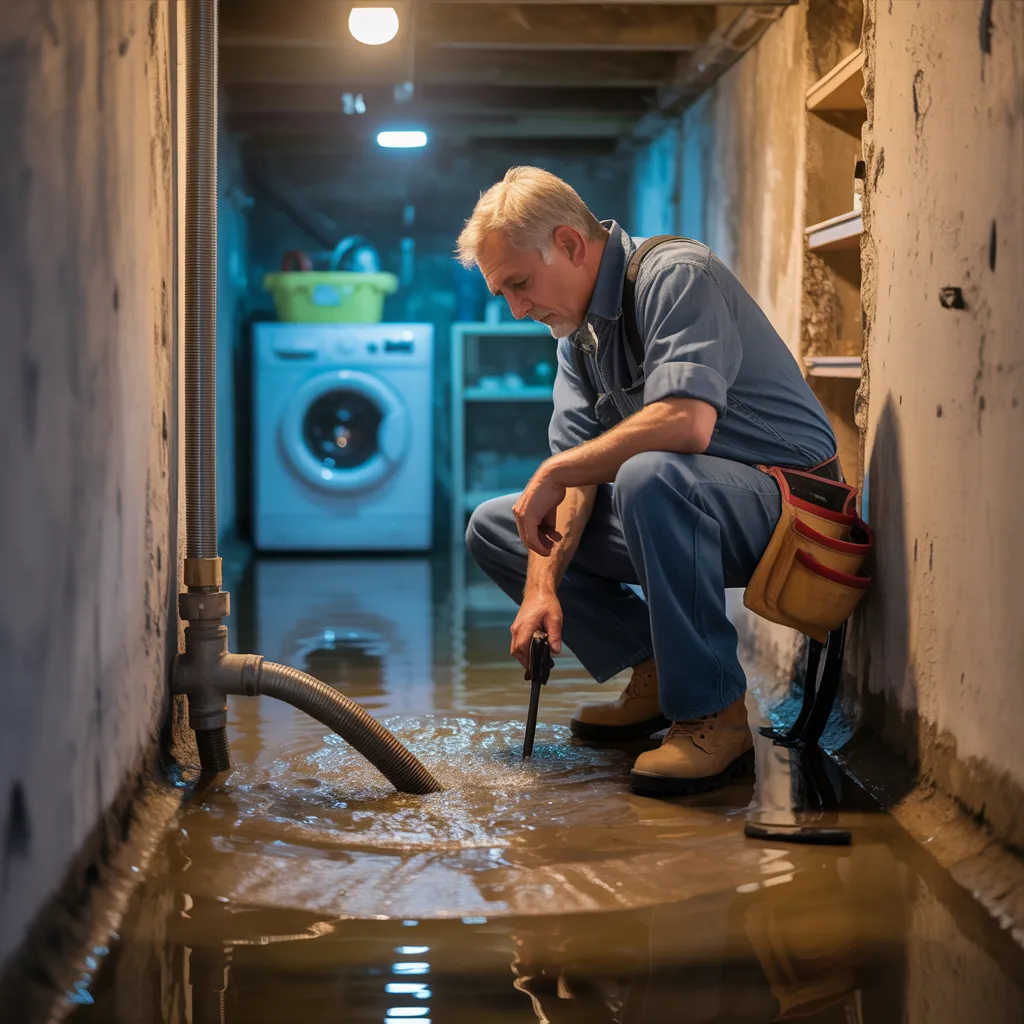
What makes leak detection a priority for homeowners? It is essential for homeowners to understand that undetected leaks can lead to serious structural damage and expensive repairs. The infiltration of water can undermine the stability of walls, foundations, and electrical systems, creating dangerous living environments. Moreover, persistent moisture can encourage mold proliferation, which creates significant health concerns for those living in the home.
Committing to proactive leak detection secures the home and simultaneously boosts property value. By identifying leaks early on, homeowners can minimize potential harm, thus preventing the costly expenses tied to major repairs. Consistent inspections and sophisticated detection methods can expose underlying issues that could easily be overlooked. Fundamentally, emphasizing leak detection secures the long-term integrity of the home and fosters a safer, healthier environment. By remaining attentive, homeowners can preserve their investment and sustain peace of mind.
Common Signs of Water Leaks You Should Detect
Although water leaks may start small, their signs can become increasingly evident if left unchecked. Property owners ought to watch carefully for a number of telltale signs of water leaks. An obvious warning sign involves the appearance of water stains on walls or ceilings, that often present as yellowish or brown discoloration. Moreover, damp or stained areas on the floor can point to underlying moisture problems beneath.
An additional warning sign is the presence of dripping or running water sounds when no fixtures are in use. A sharp rise in the water utility bill, without an obvious reason, can also signal concealed leaks. Mold and mildew development in locations like basements or bathrooms is an additional serious indicator of chronic moisture concerns. Finally, buckling or warped floors may point to excessive moisture exposure. By detecting these indicators in a timely manner, property owners can act proactively to prevent significant damage and costly repairs.
Best Techniques for Effective Leak Detection
Identifying water leaks quickly is vital for preserving a home's structural soundness and avoiding significant damage. Several approaches exist for efficient leak identification, addressing diverse scenarios and requirements. Visual assessments frequently act as the initial protective measure; residents can look for clear indicators such as water marks or mold development. Infrared scanning is an additional technique that utilizes heat-based imaging to identify temperature variations, revealing concealed leaks inside walls or ceilings.
Acoustic leak detection employs sound waves to pinpoint leaks, making it especially effective for underground or concealed pipes. Pressure testing entails tracking the pressure inside plumbing systems to detect irregularities that indicate potential leaks. Additionally, moisture meters can measure dampness in materials, supplying quantitative data on probable leak sources. All of these approaches present unique benefits, allowing homeowners to select the most appropriate method for their particular needs and ensuring proactive measures against water damage.
Picking the Best Leak Detection Tools for Your Home
How can homeowners guarantee they are equipped with the right tools for effective leak detection? Selecting appropriate tools is essential for identifying hidden leaks before they cause significant damage. Essential equipment consists of moisture meters, which evaluate humidity levels in walls and floors, aiding in locating damp zones. Thermal imaging cameras are equally useful, as they identify temperature differences, suggesting possible leaks beneath surfaces.
Additionally, acoustic leak detectors can detect the noise of water flowing out from pipe systems. For those who prefer hands-on approaches, straightforward dye checks are effective for detecting toilet water leaks. It is also advisable for homeowners to acquiring automated leak detection solutions that deliver instant notifications through mobile apps. At the end of the day, knowing the particular requirements of their home and the types of potential plumbing problems will assist residents in identifying the most appropriate leak monitoring devices, allowing them consult article to be fully prepared to minimize the risk of water damage.
Applying Preventive Strategies to Avoid Water Damage
Using water-resistant materials in basements, kitchens, and bathrooms can help minimize the risk of damage. Homeowners should also consider using moisture detectors, which can alert them to leaks early on. Proper landscaping, including sloping the ground away from the home, can direct water away from foundations. Ultimately, maintaining indoor humidity levels can prevent mold growth, which is often a consequence of undetected water issues. By adopting these proactive strategies, homeowners can substantially decrease the risk of costly water damage.
When Should You Call a Pro for Leak Detection?
At what point should you seek expert help for leak detection? Homeowners should consider calling a professional when they notice persistent damp spots, sudden and unexplained rises in their water bills, or a persistent musty smell that remains even after thorough cleaning. Additionally, if water stains appear on ceilings or walls, it might suggest an underlying leak that necessitates advanced diagnostic instruments. Professionals possess the expertise and equipment, such as thermal imaging cameras and moisture meters, to identify the source of the problem accurately.
In addition, should a homeowner find that self-applied remedies have failed, it is prudent to consult an expert to prevent further damage. Properties featuring aging pipework or newly completed remodeling work carry a greater susceptibility to plumbing leaks, which makes expert assessment strongly recommended. In the end, early engagement of an experienced leak detection professional can save homeowners from extensive repairs and costly water damage in the long run.
Common Questions and Answers
How Frequently Should I Inspect My Home for Leaks?
Property owners should look for water leaks at least twice a year, preferably during seasonal transitions. Periodic evaluations allow for the early discovery of underlying concerns, minimizing damage and repair costs associated with hidden water leaks throughout the property.
Is It Possible for Appliances Such as Dishwashers or Refrigerators to Develop Leaks?
Absolutely, leaks can occur in home appliances such as dishwashers and refrigerators. With regular use, seals can deteriorate or hoses could develop wear, causing potential water-related issues if not routinely checked and serviced.
What Long-Term Damage Can Undetected Water Leaks Cause?
Unnoticed water leaks are capable of causing serious structural damage, the growth of mold, rising utility bills, and health problems. As time passes, these issues can worsen, leading to expensive repairs and potential loss of property value.
Do Certain Seasons Make Leaks More Likely to Occur?
Leaks tend to occur more frequently in winter, due to freezing temperatures causing pipes to burst, and throughout the spring season, when snowmelt and heavy rain can overload drainage systems. Recognizing these seasonal patterns supports the implementation of preventive measures.
How Can I Determine if My Water Meter Is Detecting a Leak?
To find out if a water meter is detecting a leak, one should check the meter reading before and after a period of no water usage. A difference in the reading points to a likely leak somewhere in the system.